


Welcome from the Head of School Prof Dave Richardson
The School of Psychology and Sport Science brings together two of Bangor University’s highly performing departments: Psychology, and Sport and Exercise Sciences. Our world-leading research spans cognitive neuroscience, clinical interventions, psychological wellbeing, elite performance, physical activity, health and applied human physiology, and has significant real-world impact. We are also proud of our excellence in teaching and learning which is similarly acknowledged nationally and globally.
Latest News
-
 16 September 2024
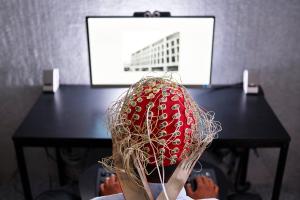
Bangor University ranks among most in-demand UK psychology departments for 2023/2024
-
 11 September 2024
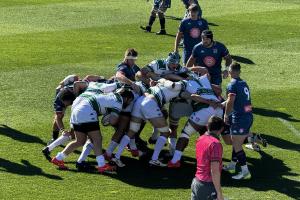
A mild concussion from amateur sports might not cause cognitive decline – but repeated injuries can
-
 9 September 2024
International Workshop Explores Sustainable Transitions for an Equitable Future
-
 28 August 2024
Michael Mosley’s final series: how we showed what happens to your body when you’re stressed
-
 7 August 2024
Why elite athletes are harnessing their own brain waves for sporting success
-
 1 August 2024
Laura Miles honoured with Student Partnership Impact Award for transformative mental health initiatives
-
 8 July 2024
In pursuit of excellence: Psychologists develop new tool to assess readiness to perform well
-
 10 April 2024
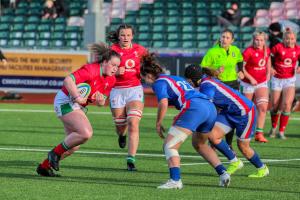
Player welfare support to Women’s U18 Six Nations from Bangor researchers
-
 10 April 2024
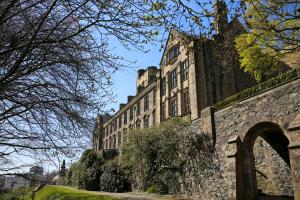
Bangor University listed among world’s elite universities again


Mind and Body Latest newsletter
Get the latest news from the School of Psychology and Sport Science staff, students and alumni.
Find out what it's like to study with us
We offer a high-quality, research-led, education across Psychology and Sport Science. Hear from our students about their experiences studying with us.
Psychology

Sport and Exercise Sciences

UNDERGRADUATE AND POSTGRADUATE OPPORTUNITIES
Explore our courses
Postgraduate Scholarships, Studentships and Bursaries
See the available opportunities funded by both the University and the School of Psychology and Sport Science.

Research and Impact
Our research expertise spans human physiology and psychology, drawing on the complementary strengths of four core research institutes.


Facilities
Our School is situated across two sites, each of which benefits from state-of-the-art research facilities. Bangor staff and post-graduate student researchers may access these facilities by participating in the appropriate methodological research groups.
Connect with us
See the latest tweets from Psychology and Sport Science at Bangor.
School of Psychology and Sport Science, Bangor University, Bangor, LL57 2DG