

Latest News
-
 25 May 2026
Alumna Katie Baddiley wins Bobi Jones Medal at Urdd Eisteddfod
-
 28 April 2026
Three Bangor academics elected fellows of the Learned Society of Wales
-
 15 April 2026
Bangor researcher awarded funding from £6.7m pot for project investigating why people stutter
-
 23 March 2026
Why ‘deaths of despair’ are higher in former coal mining communities
-
 9 March 2026
New study links higher mortality rates from suicide, alcohol and drugs to coal mine closures
-
 5 March 2026
National Cardiovascular Research Network lands transformative grant to tackle heart disease
-
 13 February 2026
Using books as discussion prompts can help children with language delay
-
 5 January 2026
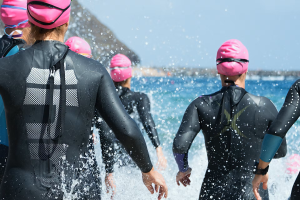
Why returning to sport after childbirth is tougher than it looks for triathlete mothers
-
 12 December 2025
New book explores how mindfulness can help people live and work with greater meaning in today’s fast-moving world
-
24 November 2025
Study reveals stark impact of deindustrialisation on mental health in Wales
-
 12 November 2025
Stress and anxiety before a marathon can leave runners at risk of getting sick – new research
-
 10 October 2025
Always look on the bright side of academic life: Study examines how joy is found in academia


Upcoming Events : Discover the Human Mind: Psychology Webinar Series





Mind and Body Latest newsletter
Get the latest news from the School of Psychology and Sport Science staff, students and alumni.
Find out what it's like to study with us
We offer a high-quality, research-led, education across Psychology and Sport Science. Hear from our students about their experiences studying with us.
Psychology

Sport and Exercise Sciences

UNDERGRADUATE AND POSTGRADUATE OPPORTUNITIES
Explore our courses
Postgraduate Scholarships, Studentships and Bursaries
See the available opportunities funded by both the University and the School of Psychology and Sport Science.

Research and Impact
Our research expertise spans human physiology and psychology, drawing on the complementary strengths of four core research institutes.


Facilities
Our School is situated across two sites, each of which benefits from state-of-the-art research facilities. Bangor staff and post-graduate student researchers may access these facilities by participating in the appropriate methodological research groups.
Connect with us
See the latest tweets from Psychology and Sport Science at Bangor.
School of Psychology and Sport Science, Bangor University, Bangor, LL57 2DG