Plas Gunter and Gregynog Awarded National Lottery Heritage Funding
Two charitable trusts who care for Grade II*-listed historic houses in Wales have been awarded funding from the National Lottery Heritage Fund. We are delighted to learn that Plas Gunter Mansion Trust has been awarded a £3.3million Delivery Grant towards the renovation of Plas Gunter, a seventeenth-century townhouse with special religious significance in Abergavenny, Monmouthshire. We are also thrilled to hear the news that the Gregynog Trust has been awarded a Development Grant of just under £900,000 towards the restoration of Gregynog Hall, a nationally important country house in Tregynon, Montgomeryshire. Not only will these grants help to preserve significant historic fabric, but they will also help to secure a future for these two important mansions, by allowing Plas Gunter to be opened to the public for the first time in its 400-year history and to become financially self-sustaining, and by ensuring that Gregynog continues to function as a hub for culture, art, literature and music in Wales, thereby continuing the legacy of the Davies sisters.
The National Lottery Heritage Fund, who invest money raised for good causes by National Lottery players, are the largest funder of heritage in Wales and throughout the United Kingdom. As part of their 10-year strategy for 2023–33, Heritage 2033, they aim to invest over £1billion in projects that connect people and communities to heritage.
First we head to Abergavenny, and its fascinating townhouse on Cross Street called ‘Plas Gunter’. In 2011, a building preservation trust called ‘The Welsh Georgian Trust’ was established to rescue Georgian buildings at risk in Wales. One of the houses they took on was Grade II*-listed Plas Gunter, which had fallen into a state of disrepair. The earliest part of the mansion was built by Thomas Gunter (1569–1666/7) in about 1630, and it was subsequently enlarged by his son, another Thomas (1627–1710/11). It also saw substantial remodelling in the Georgian period and the installation of shop-fronts to the street façade in 1908. There is significant religious significance attached to the building, because the Gunter family were practicing Roman Catholics across the Protestant Reformation and they incorporated a secret chapel into the attic, where they held illegal masses during a time of increasing anti-Catholic sentiment.
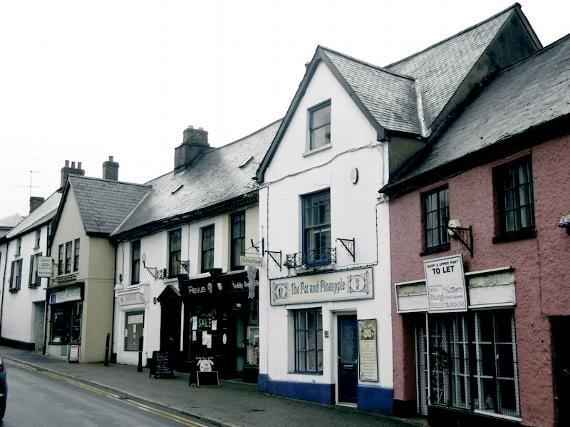
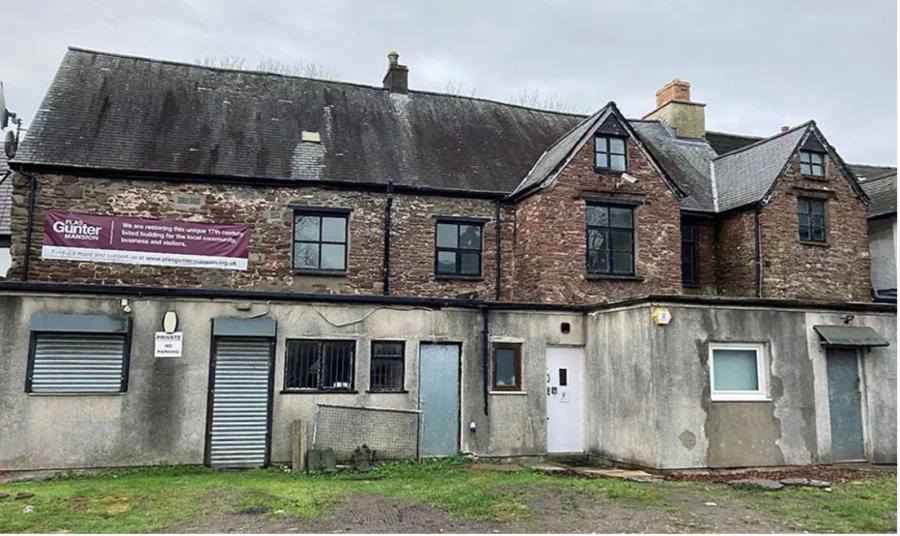
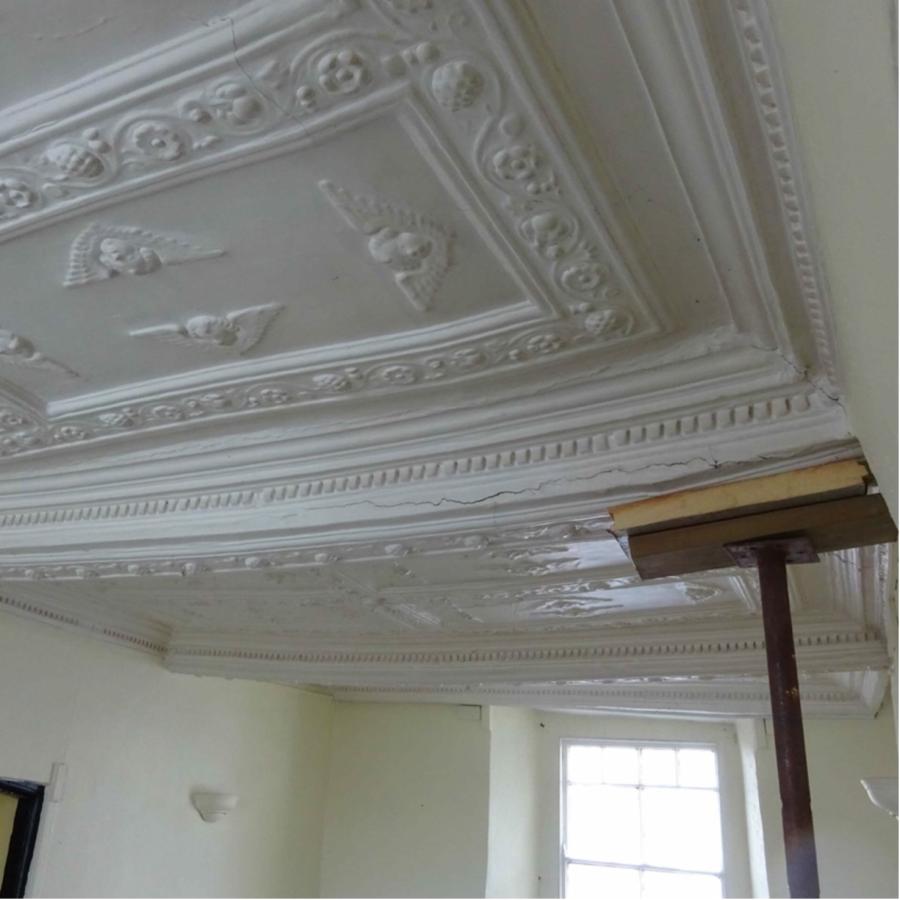
The Welsh Georgian Trust became the Plas Gunter Mansion Trust in 2020, and after being awarded a £222,340 Development Grant by the National Lottery Heritage Fund in 2024, they have now been awarded a £3,365,702 Delivery Grant. The Delivery Grant will enable the Trust to make the building safe, accessible and more sustainable, allowing them to open the oldest rooms in the mansion, including the former chapel in the attic, to the public for the first time. They also plan to remove later, inappropriate additions and alterations and restore several original external and internal features, including the ornate plaster ceiling in the Parlour and the wall-painting of the Adoration of Magi in the former chapel in the attic. The goal is to transform the mansion into a vibrant cultural and community hub, which will include new interpretation and galleries, as well as lettable offices and a flexible multipurpose space to generate an income and regenerate Cross Street.
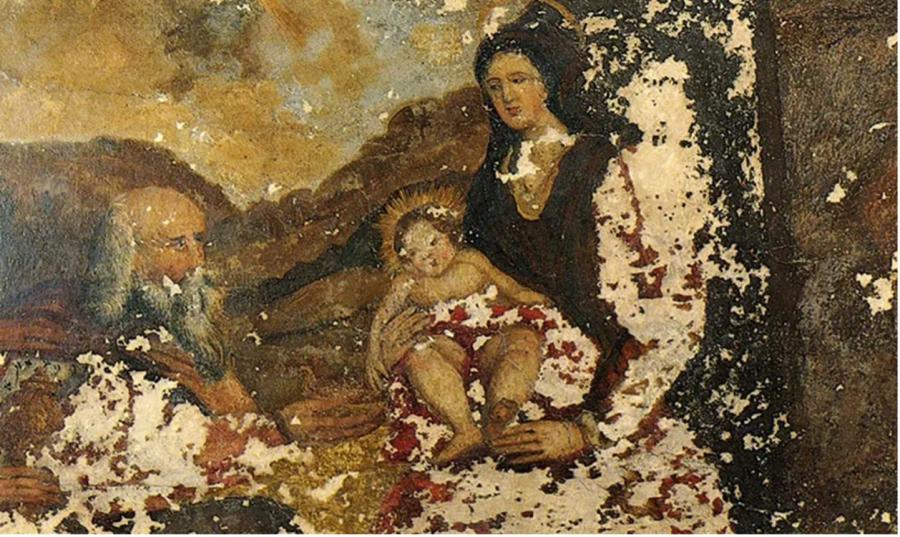
Plas Gunter Mansion Trust are required to raise £500,000 in match funding, £365,500 of which had been raised by the close of 2025. Restoration work is currently underway, and the Trust hope to complete the project and open the mansion in March 2028.
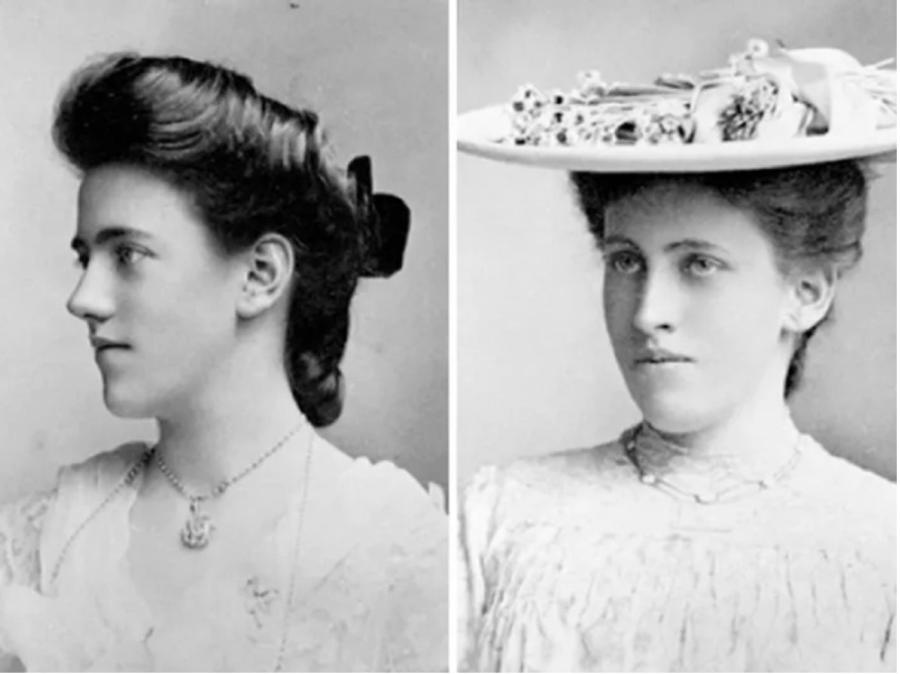
The present Gregynog Hall was built in the 1840s by Charles Hanbury-Tracy, 1st Baron Sudeley (1778–1858), to replace an earlier house on this site on the outskirts of Tregynon. It is Grade II* listed for its ‘early use of concrete’, as its brick walls are clad in concrete especially formulated and painted to resemble the vernacular, timber-framed buildings of old Montgomeryshire. Gregynog is best known as the former home of the Davies sisters, Gwendoline (1882–1951) and Margaret (1884–1963), who purchased the mansion in 1920 and transformed it into a centre for the arts. Here they founded the Gregynog Press; established the Gregynog Music Festival of classical music and became patrons of Elgar, Vaughan Williams and Holst; and amassed an internationally important collection of artworks by French Impressionist and Post-Impressionists including Renoir, Monet, Cezanne, Van Gogh, which was later bequeathed to Amgueddfa Cymru. In fact, the association with the Davies sisters and the Gregynog Press is another reason for the mansion’s Grade II* status. Meanwhile, the formal garden accompanying the mansion is designated Grade I as ‘one of the most important parks and gardens in Powys’. The Hall and formal garden sit at the heart of a 750-acre rural estate, which includes an internationally important National Nature Reserve.
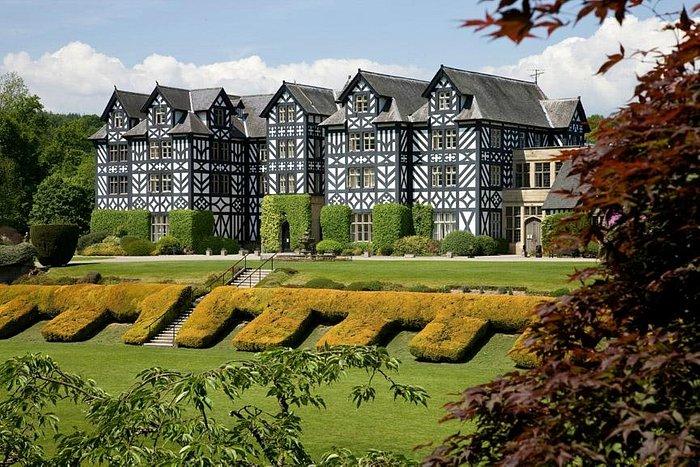
Gregynog Hall and Estate have been managed by the charitable Gregynog Trust since 2019. The Hall provides 58 bedrooms for educational residential and day conferences, while the 750-acre estate is managed for nature recovery and public access. However, lack of repair and maintenance prior to Trust ownership means that the entire roof of the Hall requires urgent renewal, and an ambitious ‘Raise the Roof’ project has therefore been launched, expected to last approximately three to four years. After being awarded a grant from the Architectural Heritage Fund for phase one support, which involved essential repairs to prevent further decline, the Gregynog Trust have now been awarded an £866,591 Development Grant from the National Lottery Heritage Fund for the preparation of designs for the re-roofing and piloting a series of arts and nature focused events.
In a second stage, the National Lottery Heritage Fund will assess the Gregynog Trust’s detailed proposals and a final decision will be made on whether to grant the Delivery award of £4,100,729, which would allow the re-roofing to go ahead.
Gregynog is very special to ISWE, as the earlier history of the house and estate was the subject of our very own Dr Mary Oldham’s doctoral research project, completed in 2024. Mary’s research illuminated the history of the estate in the period 1750–1900 and examined Gregynog’s place as a landed estate in the economic and social history of Wales; she is currently adapting it for publication. ISWE has also hosted several workshops at Gregynog, including a hugely-enjoyable workshop for our doctoral community back in June 2025, and a programme of workshops discussing ‘Historic Houses for the 21st Century’.
ISWE would like to extend our warmest congratulations to our friends, Plas Gunter Mansion Trust and the Gregynog Trust, on their funding success. We look forward to seeing the transformative impact of these grants!
(Authored by Dr Bethan Scorey)