
Our students come from a diverse range of backgrounds, practically-based and academic. Some of our students are self-employed, some are employed by private-sector companies of various sizes, and others are employed in the public-sector. A few of our students left school at the earliest opportunity and have found our courses an ideal and accessible way to obtain a meaningful and respected higher-level paper qualification, and a springboard to new employment opportunities.
Below are some profiles of recent graduates from our Forestry@Bangor programmes. We also have some Forestry@Bangor alumni testimonials.
Stephen Mwangi (Forestry, 2018)
My journey to Bangor University began while I was working at Gatsby Africa in Kenya. One of my colleagues was studying for an MSc Tropical Forestry degree at Bangor University, and I was impressed by both the quality of the programme and the opportunity it offered professionals to continue working while advancing their education. Inspired by his experience, I applied for a Commonwealth Distance Learning Scholarship. I was delighted to be awarded the scholarship and began my studies in 2018.
Studying for the MSc Tropical Forestry degree was one of the most rewarding experiences of my professional life. Although distance learning came with challenges, particularly balancing work, study and personal commitments, it also offered the flexibility needed to pursue a world-class education while remaining professionally active. Throughout the programme, I developed skills in forestry, natural resource management, research and critical analysis that continue to shape my career today.
During my time at Bangor, I was honoured to be elected Course Representative for our cohort and the wider MSc Forestry programme. In this role, I advocated for students' needs and worked closely with academic staff to improve communication and engagement. One initiative I championed was the creation of a dedicated space on the Blackboard platform where students could interact more easily with one another and communicate more effectively with lecturers. It was rewarding to contribute to improving the student learning experience for both current and future cohorts.
One of the highlights of my Bangor experience was a two-week study tour in Ghana. For the first time, I met my fellow students in person—an incredibly diverse cohort representing more than 30 nationalities from around the world. It was also a wonderful opportunity to meet our lecturers face-to-face, including Dr James Walmsley, Dr Lars Markesteijn, Dr Mark Rayment and Dr Eefke Mollee, whose support and guidance enriched our learning experience throughout the programme.
Beyond the excitement of finally meeting classmates and lecturers, the Ghana study visit provided valuable practical experience. We undertook a collaborative research project in Bobiri Forest, located in Ghana's Ashanti Region, where we worked together to collect and analyse field data. The experience demonstrated the power of international collaboration and applied research. I am particularly proud that this work has continued beyond graduation and has recently resulted in a publication co-authored with Dr Ernest E. Foli of the Forest Research Institute of Ghana (FORIG) and Israel Ole Manina of the Forest Industries Training Institute (FITI), Tanzania. Seeing a field exercise evolve into a published piece of research is a testament to the quality and lasting impact of the Bangor learning experience.
Bangor University opened new doors for me professionally. The knowledge, skills and confidence I gained enabled me to compete successfully for international roles. Shortly after graduating in 2022, I joined the International Institute for Environment and Development (IIED) as a Researcher.
Today, my work focuses on supporting locally controlled forest businesses, smallholder farmers and producer organisations across Africa, Latin America and Southeast Asia. One programme I support is the Forest and Farm Facility (FFF), which in its second phase (2018–2025) disbursed more than 70% of a US$68 million grant to smallholder organisations in 13 countries. I am proud to contribute to work that positively impacts both people and nature.
Since joining IIED, I have also published numerous blogs, peer-reviewed journal articles and research reports that have contributed to international debates on forestry, climate resilience, rural livelihoods and sustainable development.
Looking back, Bangor University provided far more than a degree. It equipped me with the knowledge, networks, confidence and international perspective needed to make a meaningful contribution to sustainable development. The friendships, professional connections and experiences I gained continue to influence my work today. I remain immensely proud to be a Bangor University alumnus and grateful for the opportunities that my education there has created.
I am proud of my Bangor University journey and look forward to remaining an active member of the Bangor Forestry Alumni community for many years to come.
Thomas Davreux (Forestry, 2013)
“My name is Thomas Davreux. I'm Managing Director of InduFed, the platform for the Belgian glass, paper & paperboard industries. Previously, I've worked in other industrial sectors: in metal recycling and, most pertinently, I was the Director of PEFC Belgium, the organisation for certifying sustainable forests. This career trajectory was made possible thanks to my Master's Degree in Forestry from Bangor University.
Originally an economist, graduating in 2001 with an economics degree from Namur University in Belgium, I started my professional work in banking. Then, seeking a change of career, I started doing my Master’s degree in Forestry by distance learning with Bangor University in 2009, graduating in 2013. These studies were in addition to my normal, full-time work, but I was able to fit them into my working and personal life.
As regards what attracted me to study with Bangor: I wanted to do something that had to do with environment. I did consider lots of courses, right across Europe and eventually decided on forestry but there weren't that many courses and, of the few courses there were, they were either not as interesting as the ones offered by Bangor or not distance learning. Bangor University was offering the most attractive and the most convenient course for me. So, it was a fairly straightforward choice between Bangor and maybe one or two other strong candidates. And of course at that time, Britain was still part of the EU!
Having got my Master's degree, I was then able to change my career path and go into the forestry world. Coincidentally, the job opening for Director of PEFC, Belgium opened: I applied and I got it almost straight away. I was very lucky because this job opening appeared just as I graduated. So, my transition was extremely quick from the financial world to the world of forests. What really helped was that I found so much of the Master’s course content useful, directly applicable in understanding my new working environment and my ability to function in the new post. The course had definitely given me the background and the confidence to be immediately operational in the forestry world.
I then worked for PEFC for five years, a significant stint. At the end of that time, I felt I'd been able to make a difference, making good use of the Bangor training that I'd had through the distance-learning MSc. Having since moved on to my current job, representing the paper industry amongst others in Belgium, my understanding of forestry still enables me to be of help to some of my members today. This is because I understand what their supply-chain issues are, for example those linked to climate change, sustainability, etc. In fact, I remain the operational in-house forestry specialist. I’m not only able to understand and advise my paper clients on their direct, market-based issues, but also their upstream, supply-chain issues, which affect their main raw material, wood.
Now, looking ahead and outwards from my current experience, the words of wisdom I would give to someone considering a forestry career, either at undergraduate or at graduate level, would have to include the following:
I love Bangor because it was such a diverse and a very broad education in forestry, very well thought through. We got a bit of everything, all the way from the economics perspective to the very detailed biological aspects, and everything in between.
I also thought the social aspect of the course was extremely well designed. This means that you're ready to tackle all sorts of issues and aspects of forests, whether they're commercial, e.g. setting up your own tree nursery, or more linked to sustainability, or whatever. The Master’s was well done and could be applied in all sorts of different ways to working life in and around forestry. That's the beauty of it and why I enjoyed my Bangor studies.”
Dr. Konnathu (KC) Chacko (MSc. Environmental Forestry, 1991)
“Looking back, it was a lovely experience living in Bangor and doing MSc Environmental Forestry in 1990-91. I specialised in Agroforestry under Dr. John B. Hall who never compromised quality and time frame. The important takeaway from Bangor was upgradation of my scientific writing skills and learning computer skills from scratch; computers were in the early stages at that time.
Seeing Dr. John Hall I learned that an editor/examiner should waste no time in critically reviewing scientific manuscripts at his/her disposal; I try to follow this with peer review papers and students' thesis. Professional interactions with my classmates from UK and other countries was yet another highlight; nearly all of them had sound field experience in different ecosystems. The field trips to places of forestry and cultural importance were useful and enjoyable. I remember how friendly and helpful Dr. Lawrence Roche (the Head of the School), Dr. Graham J. Mayhead (Course Director), Dr. JC Hetherington, Dr. Colin Price, Dr. Tom Jenkins, Dr. Fergus Sinclair, Prof. John Healy and Dr. Geoff Bright all were.
After my return to my parent institution in India, the Kerala Forest Research Institute, I did a PhD in Forestry in FRI, and subsequently retired as a scientist of the highest grade. I kept myself professionally active during my post-retirement period of 17 years. I continue working as a forestry consultant for a teak planting company in Tanzania (since 2017), with two to three site visits in a year. I also serve as examiner for MSc and PhD students in Forestry, and as Expert in Court cases related to forestry, which demand current knowledge.
The social environment of Bangor was much welcoming for any student especially those from other countries; I enjoyed interactions with many in the town, sometimes even as guest for tea or dinner!”
Dr Mary Hobley (Forestry, 1983)
“I knew from the age of 12 that I wanted to study forestry, and more specifically to work on forest issues in the Global South. I chose Bangor because the Head of Department, Professor Larry Roche, was a distinguished tropical forester.
My journey began with an interview. What stayed with me most was being asked how I would cope, as a woman, in a man’s world. I remember being surprised - I could not see why this would be a problem. Yet that question stayed with me and has shaped much of my work over the past 40 years, including my PhD at the Australian National University. Based on research in Nepal, it examined how caste, class, and gender influence access to forest resources.
At Bangor, this interest in the social and political dimensions of forestry was strongly nurtured, particularly through the challenging and inspiring lectures of economist Colin Price, who encouraged me to question established thinking.
I have been fortunate to have a varied and rewarding career. I began by living in villages in Nepal, seeking to understand local social dynamics and power relations. I later moved to London to work at the Overseas Development Institute, where, together with Gill Shepherd, I helped establish the Social Forestry Network. This initiative connected practitioners worldwide and contributed to reshaping forestry - from a largely technical discipline into one that recognises its deep connections with communities and Indigenous Peoples. We helped shift the focus toward rights, equity, and accountability, encouraging forest departments to rethink how they operate.
As an independent consultant, I have continued this work across South and Southeast Asia, as well as parts of Africa. Throughout my career, I have remained committed to understanding how to improve people’s lives, amplify their voices, and challenge and transform unequal power structures.
Now, as I approach the end of my career, I am focused on giving back. I serve on several boards, including The Tenure Facility, RECOFTC, and the Commonwealth Forestry Association. Looking back, I feel a deep sense of pride - particularly when I think of Nepal, where 22,000 communities now manage their own forests, hillsides have regenerated, and people can exercise their rights without fear.
I am also proud that issues once considered outside the scope of forestry - such as gender and class - are now widely recognised as central. There is a growing understanding that forests and people are inseparable, and that Indigenous Peoples and local communities should retain the rights to govern and manage the forests they have sustained for generations.
My journey began at Bangor, and I remain deeply grateful to the then Forest and Wood Science Department for helping me expand my perspective—from seeing forests as trees alone to understanding them as living systems shaped by the people who depend on them, as I explored my desire to expand forest boundaries beyond just seeing the trees to seeing local people as part of the reasons forests can be sustained.”
Malcolm (Mac) Jones (Forestry, 1959)
“My 4 years in Bangor (1955-59) were incredibly rewarding. After Bangor I was a Forest Officer in (now) Tanzania, then taught Biology, including 4 years at Memorial University, Newfoundland. There I researched the Birch Leaf miner (Fenusa pusilla) and gained an MSc before returning to UK .
Most of my class attended the Forestry Reunion in 2000. We kept in close touch over the years. Most have now passed on to the great forest in the sky, but the comradeship of those four years in Bangor was lasting. Many became key figures in Forestry around the world: Maharaj Muthoo was Director General, FAO, Rome, Tony Fearnside was prominent in Australia and Derek Earl was a Lecturer in Forest Economics at Oxford. Keats Hall was top man in Jamaican Forestry and John Dolwin, after also working in Tanzania, ran his own Private Forestry Business (Dolwin &Gray) in Sussex.”
Peter Sturmheit (Environmental Forestry MSc, 1989)
Peter Sturmheit is a Senior Team Leader, Project Manager and Transaction Advisor, holder of a 6-year University Degree in Civil Engineering (specialization in Water, Energy and Transport Engineering; Germany) and a MSc. in Environmental Forestry (specialization in Economics Analysis of Development Projects; UK).
Mr. Sturmheit has 40 years of professional experience, 36 of which linked to international projects in lusophone, anglophone and francophone Africa. He has a 20-year experience as Team Leader and Project Manager of infrastructure-related projects, covering transport (roads, rail), energy (focus on renewable energy: solar PV; wind; hydropower), water distribution, agroforestry, soil erosion control and sanitation sectors. A few examples of his relevant experience include Mr. Sturmheit’s work as staff with the African Development Bank (AfDB) for over 13 years, 9 of which as Principal/Chief Country Programme Officer and Team Leader in Nigeria (2008-2013) and South Africa (2013-2017): in Nigeria, Mr. Sturmheit managed the Country’s Portfolio of Infrastructure - Water Supply and Sanitation, Energy and Transport - Agriculture, Social and Private Sector projects (about 35 projects); in South Africa, he managed the Country’s Portfolio of water supply and sanitation Infrastructure projects, including the Bank’s project pipeline for 13 of the SADC member countries (about 185 projects in South Africa, Zambia, Botswana, Swaziland, Lesotho, Zimbabwe). Previously, he was AfDB’s Senior Civil Engineer resident in Tunisia (2004-2008), where he was responsible for the water and sanitation sector projects’ identification, preparation, appraisal, for the preparation of ToR and for the supervision and the management of contracts (under FIDIC Conditions of Contract) in Tunisia, Angola, Gambia, Liberia, Ghana, Nigeria and Sierra Leone. In addition to the AfDB, he is experienced with several other international donor institutions. Mr Sturmheit is also the author of “About Lions – Among Lions”.
What attracted you to Bangor and why it remains important to you:
The option to combine agroforestry and soil erosion control and the course focus on international environmental forestry, and the opportunity to use my experience from a soil erosion control project in Zambia for my thesis focusing on Faidherbia albida and alley cropping.
Rob Peterson (Applied Zoology / Forestry, 1986)
Career
- 1987 - 1988 - West Glamorgan County Council, as Woodland surveyor
- 1988 - 1990 : Forestry Commission Dolgellau
- 1990 - 1995: Coopers and Lybrand, Accountants - Tax Accountant
- 1995 - 1998: Julian Hodge Bank, Cardiff - Software Engineer
- 1999 - 2000: Lucent Technologies, Boston - Software Engineer
- 2000 - 2005: eBay, Software Management, San Jose
- 2005 -2015 : Google, Mountain View, Director of Engineering and Beekeeper
- 2017 - 2019: Apple - Software Development
- 2020 - on Independent consultant various software development consultancies and related projects in Silicon Valley
My experience of earning my forestry degree and working in forestry helped me considerably - both in terms of being able to work independently and solve some complex real world problems and management issues. In addition, the far-sighted Colin Price taught us software development practices which, as you can see, were put to good use. My first software task at Boston was to calculate the volume of a tree and the usable portions to optimize when sawmilling. The Applied Zoology also became useful as it first gave me an appreciation for the social insects (in Bangor, leat cutting ants) but later developed into my interest in beekeeping.
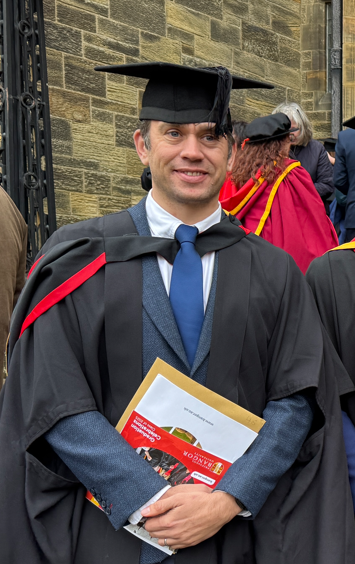
Simon Smith - MSc Forestry Graduate
Simon graduated with an MSc in Forestry and now works as a Forest Manager at Robinsons Forestry Ltd.
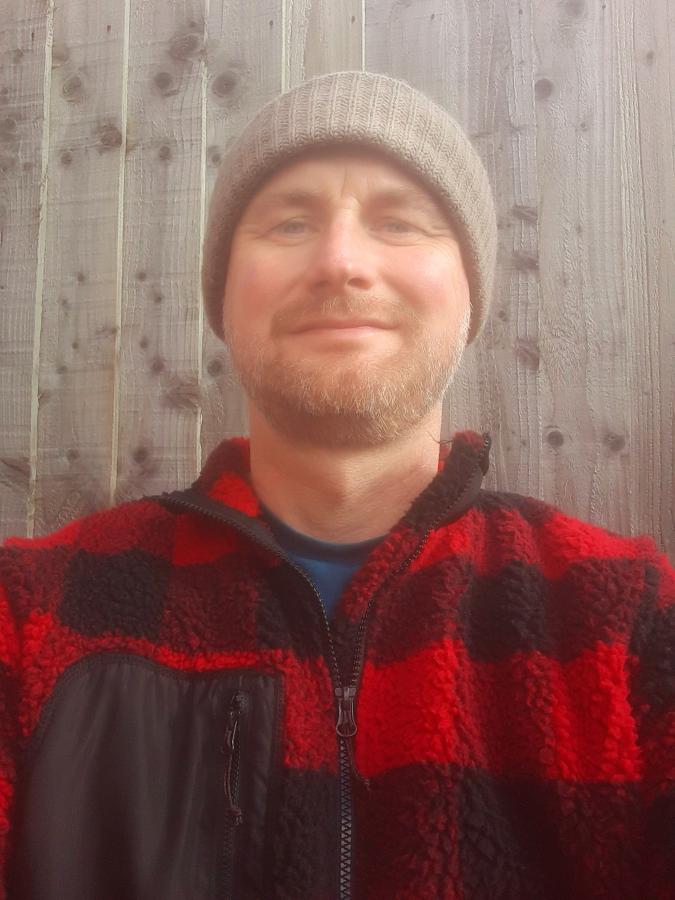
Andrew Walton - MSc Forestry Graduate
Andrew graduated with an MSc in Forestry and now works as a Tree Strategy Manager for Staffordshire County Council.
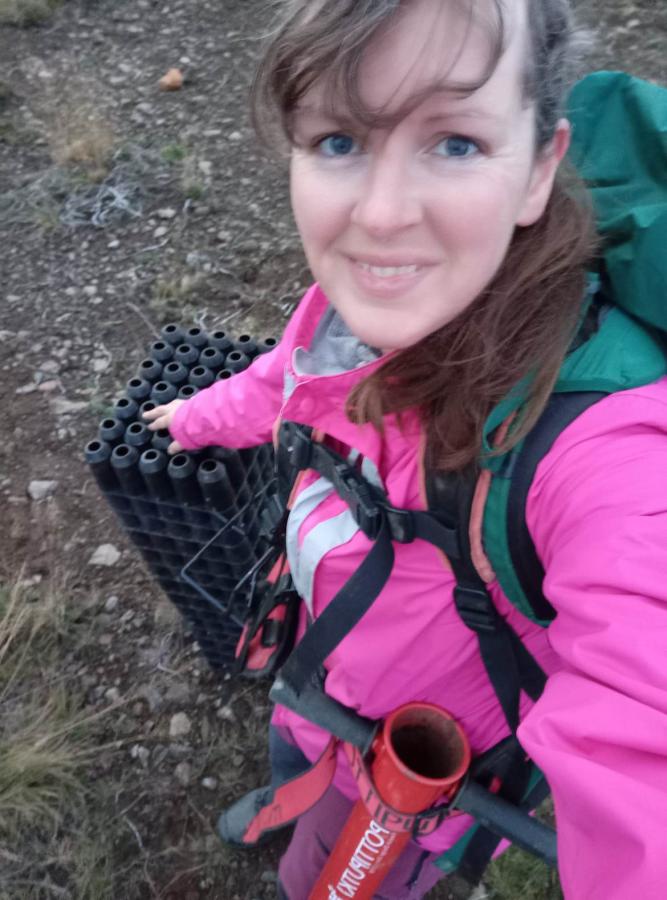
Rebekah D'Arcy - MSc Forestry Graduate
Rebekah graduated with an MSc in Forestry and now works in Reykjavik, Iceland.
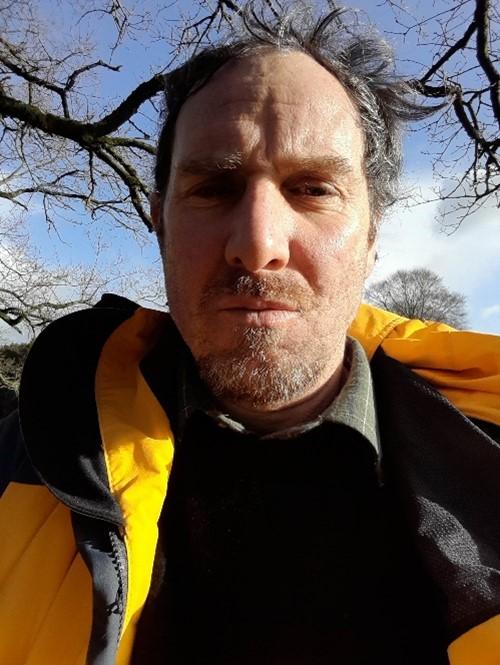
Alex Forster - MSc Forestry Graduate
Alex graduated with an MSc in Forestry and now works as a Forest Manager for Tilhill
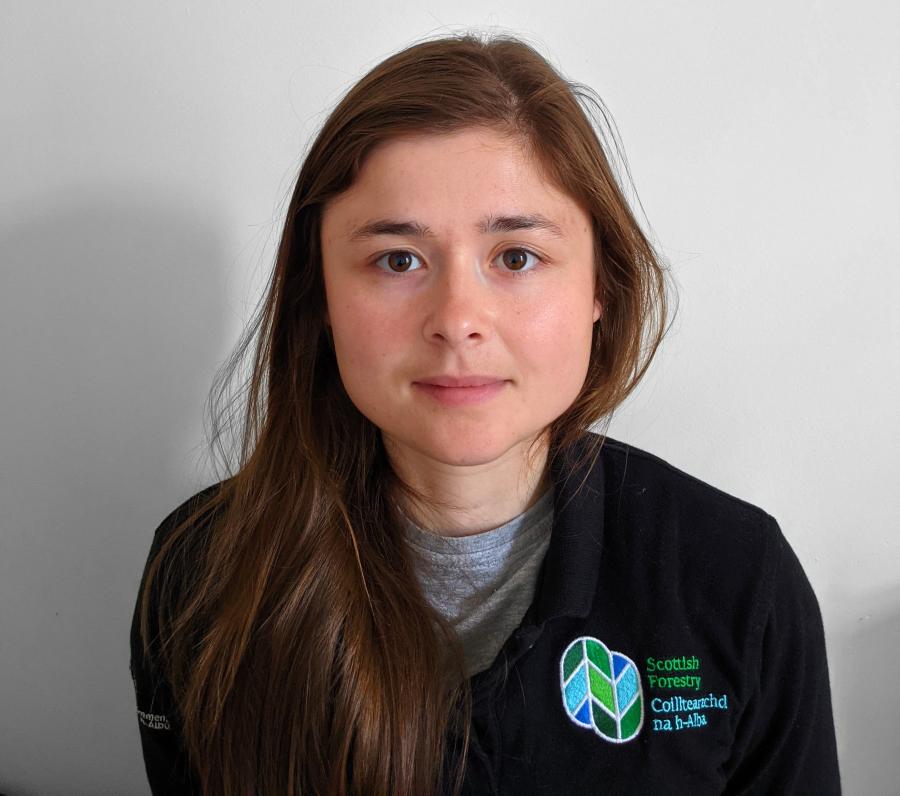
Ellie Lawton - MSc Forestry Graduate
Ellie graduated with MSc Forestry and now works for Scottish Forestry as an Assistant Woodland Officer.
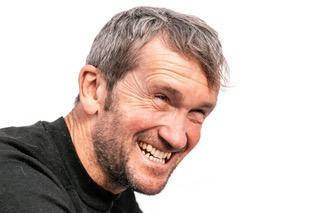
Ed Adams- MSc Forestry Graduate
Ed undertook the three year Forestry by Distance Learning (DL) MSc at Bangor to draw together various threads of a working life and to bring them to bear on Forest Landscape Restoration projects.
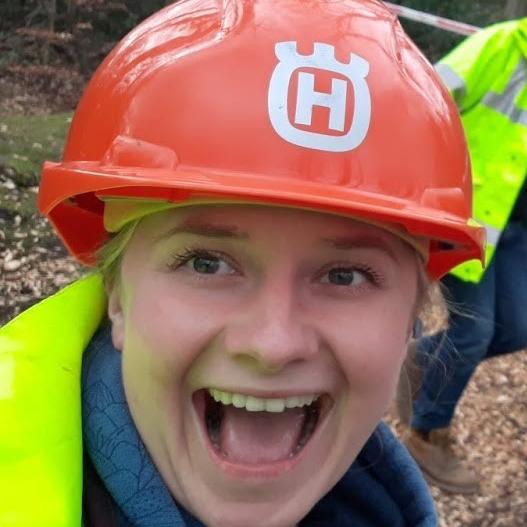
Jean Joslyn - MSc Forestry Graduate
Having grown up on a dairy farm, Jean was inspired to be involved in land management and was keen to work outdoors. Completing an undergraduate BSc (Hons) in Countryside Management lead led Jean on to study the Forestry (Distance Learning) MSc at Bangor University.
Tonthoza “Tontho” Uganja - MSc in Tropical Forestry Graduate and is now studying a PhD here.
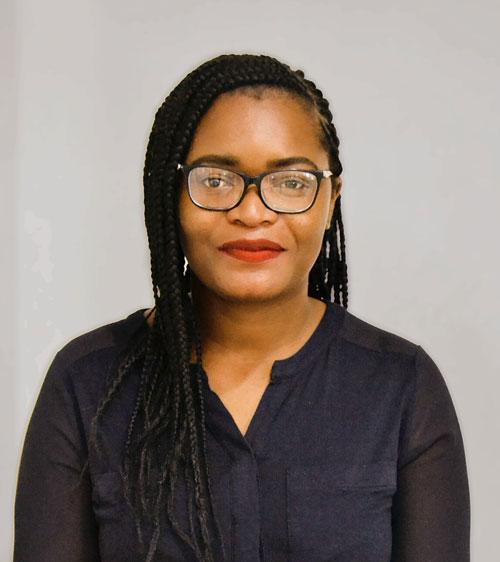
Now works as: Land Restoration Start-up Founder & Director, Assistant Regional Agronomy Manager, Social Entrepreneur & Climate Change Activist
Now works for: Sustainable Farming Solutions Malawi and Universal Leaf Tobacco Company
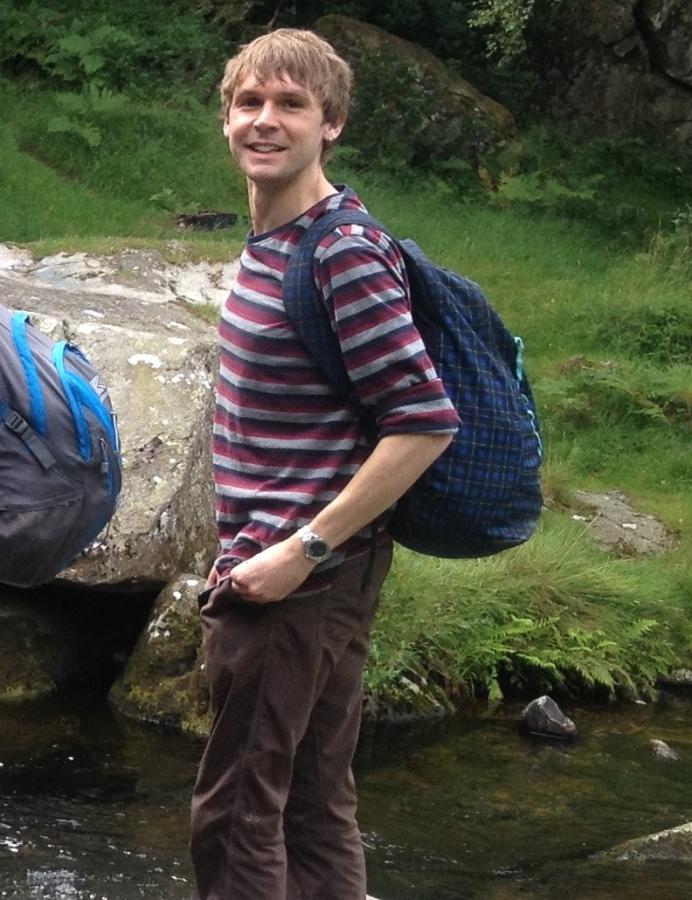
Liam Plummer - MSc in Forestry (distance learning)
Now works as: Outreach Adviser - North of England
Now works for: Woodland Trust
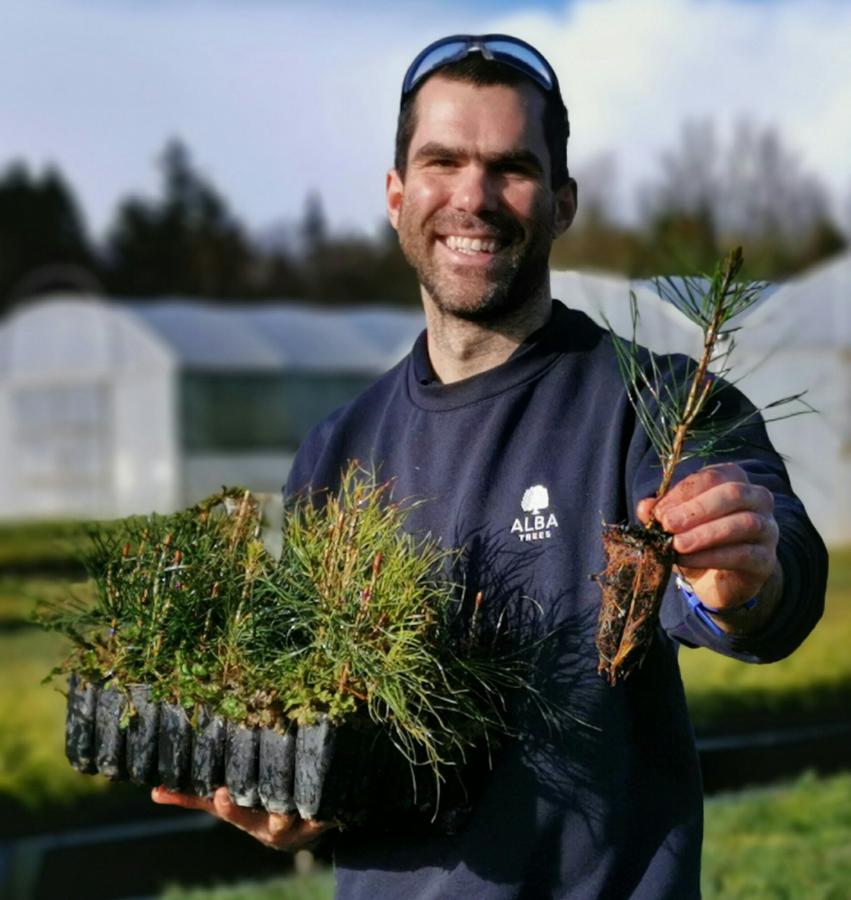
Martin Silnevs - Postgraduate Diploma in Forestry (distance learning)
Now works as: Tree nursery worker
Now works for: Alba Trees (Forest nursery in Scotland)
Tankiso Lechesa - MSc Tropical Forestry (Distance Learning)
Now works as: Principal Forestry Officer- National Beekeeping Office
Now works for: Ministry of Forestry Range and Soil Conservation, Lesotho
Peter O’Rourke - MSc Forestry (Distance Learning)
Now works as: Beat Manager (Thames Beat)
Now works for: Forestry England
Julia Guenzel – MSc Agroforestry (Distance Learning)
Now works as: Regional Manager
Now works for: Spreewaldverein e.V. (LEADER local action group in South Brandenburg)