

Building on the legacy of alumnus Dr Robert Perrin (Soil Science, 1948), four environmental research projects have delivered significant scientific advances. Focusing on saltmarshes, marine plastic pollution, blue carbon ecosystems and seagrass restoration, the projects demonstrate how philanthropic support can drive research excellence while nurturing the next generation of environmental scientists.
The awards brought together Bangor University academics and undergraduate scholarship students to address some of today's most pressing environmental challenges. Alongside generating new knowledge, the projects strengthened research partnerships, enhanced specialist facilities and provided hands-on experience in fieldwork, laboratory techniques and scientific analysis.
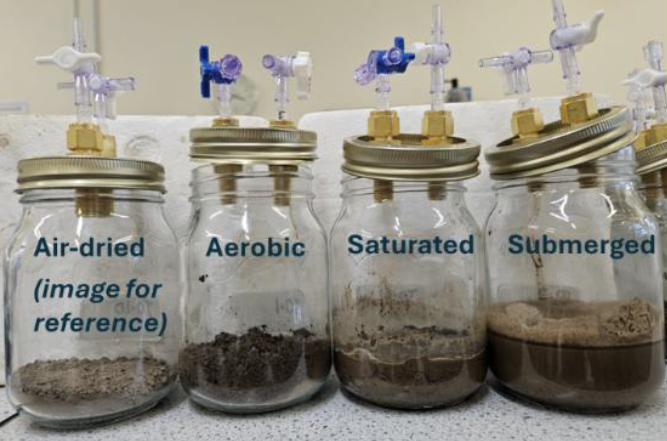
In the School of Environmental and Natural Sciences, Dr Karina Marsden, project leader and Lecturer in Environmental Science, and Environmental Science student, Anthony Gunning, investigated nitrous oxide production and consumption in saltmarsh sediments. This provided new evidence on factors influencing greenhouse gas emissions, supported the development of a new laboratory and opened opportunities for future funding and collaboration.
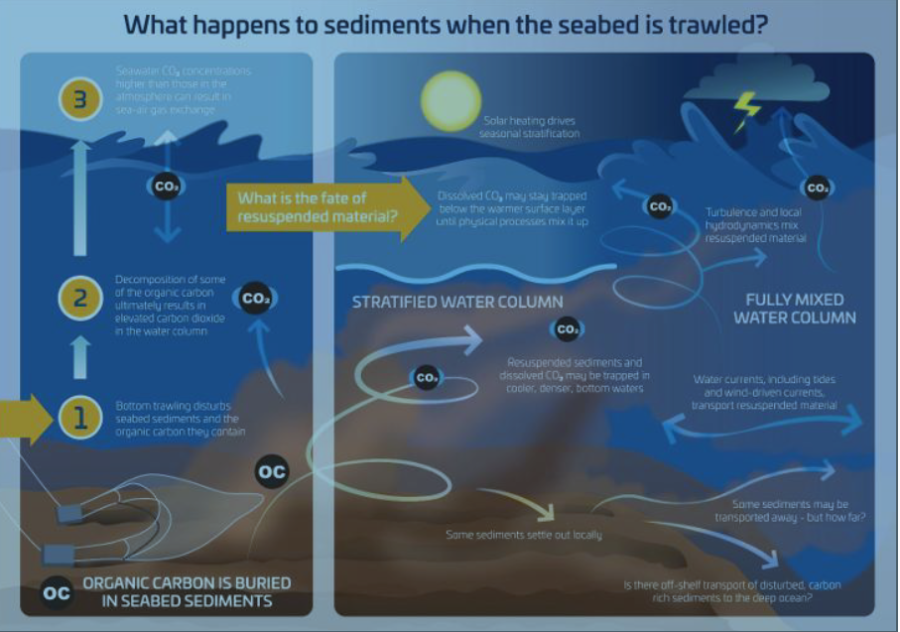
In the School of Ocean Sciences, Dr Sophie Ward, Lecturer in Marine Conservation, worked with undergraduate student Marina de Llobet to examine how bottom trawling affects carbon-rich marine sediments, contributing to greater understanding of pressures on blue carbon ecosystems.
Dr Ward said:
We are extremely grateful for the opportunities Dr Perrin's legacy has provided. Overall, the impact of the award has extended far beyond the original summer project. It provided the foundation for an MscRes degree, enabled conference presentations at both international and ntional meetings, supported specialist training, and helped prepare a promising early-career researcher for the next stage of their career.
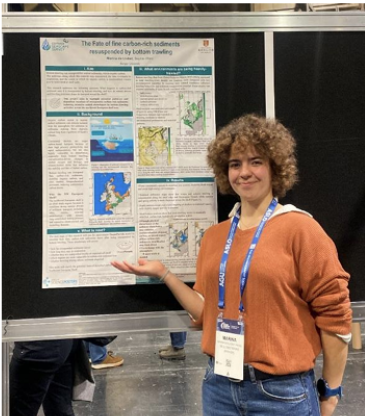
Marina de Llobet's work presented at two conferences - American Geophysical Union Ocean Sciences Meeting in Glasgow & Young Coastal Scientists and Engineers Conference in Nottingham
Dr Winnie Courtene-Jones, Lecturer in Marine Pollution, and Marine Biology student, Arwen Wall, investigated how biofouling communities colonise plastics in the marine environment. The project generated new insights into marine biodiversity and plastic degradation, with findings now being prepared for publication.
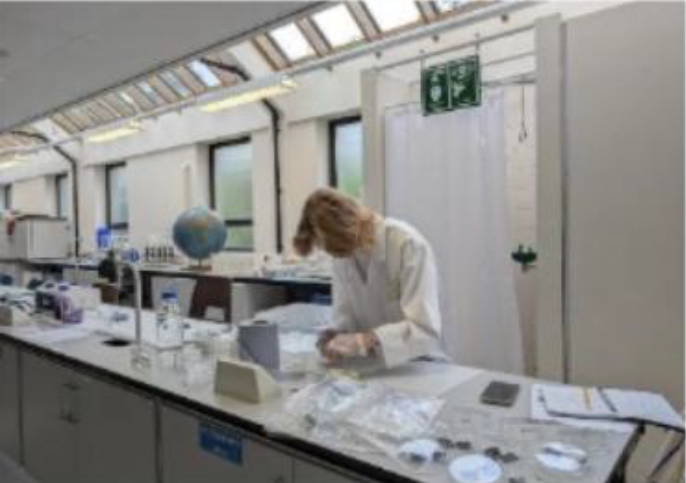
Arwen Wall undertaking biochemical analyses in the lab
Meanwhile, Dr Katie DuBois, Lecturer in Marine Biology, and undergraduate researcher, June Waddle, explored how sediment-dwelling animal communities influence seagrass ecosystem health and restoration success. Their work revealed important links between biodiversity, seagrass productivity and carbon cycling, while creating training opportunities for early-career researchers.
Through new discoveries, stronger collaborations and transformative student experiences, these projects continue to reflect Dr Robert Perrin's commitment to advancing environmental research and supporting a more sustainable future.
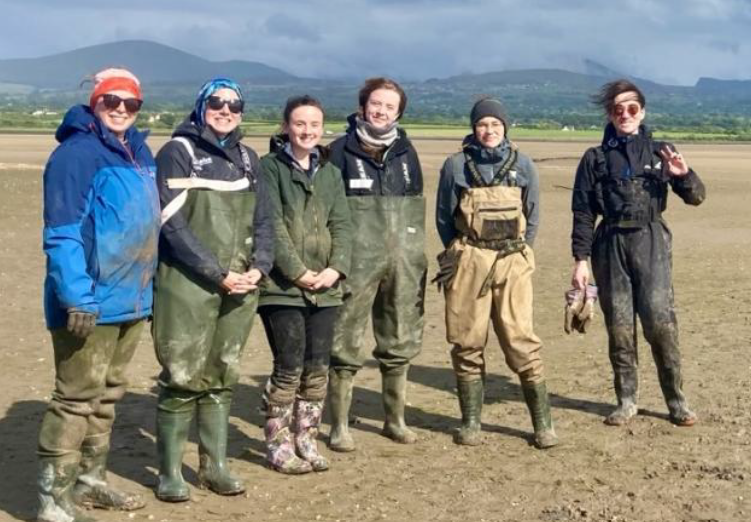
Student research team for deployment and breakdown of the seagrass experimental restoration trial. Perrin Award Placement, June Waddle, is on the far right.
Reflecting on the award's impact, Dr Marsden said:
This project has delivered benefits in many ways, and we are grateful for the support made possible through Dr Perrin's legacy gift. His passion for understanding and protecting the natural world lives on through his contribution to environmental research. His commitment continues to inspire and empower our researchers, helping to ensure that his vision for a more sustainable future endures.
Persida Chung, Development Officer, commented:
As these projects come to a close, they demonstrate the impact of alumnus Dr Robert Perrin's legacy gift. His commitment to Bangor University has enabled students and researchers to address important environmental challenges, develop valuable skills and contribute to new research. We in the Development and Alumni Relations Office are inspired to see how gifts of this nature can create opportunities that benefit both our students and the University's research community, while extending the contribution of our alumni for future generations.