
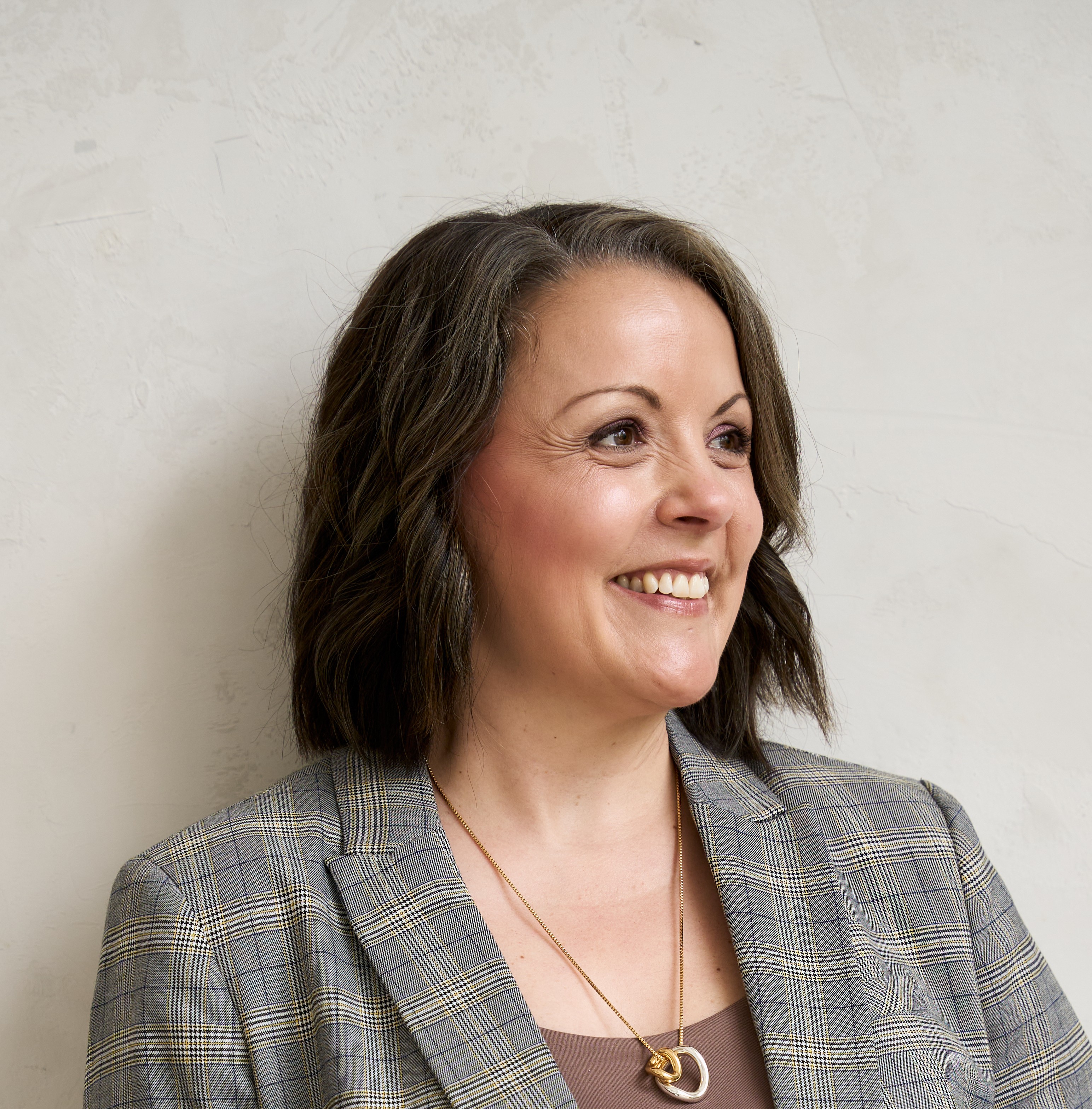
At 17, I made the decision to move full-time to Wales. I had spent most of my childhood between Canada and the UK, with a strong Welsh influence. My father and his family were English and Welsh, and the majority of my time in the UK was spent in Wales. I was very Canadian at the time, but I grew with a deep connection to Wales, and raised a singer, so you can see how I felt right at home in Wales.
By 16, I had made the decision to move for good, and at 17, I made the leap. I lived with my father for a time while studying at Swansea College, where I completed the International Baccalaureate. From there, I went on to Cardiff to complete my Bachelor's in Psychology, then to Bangor for my Master's in Clinical Psychology. Life wasn't always easy, but the structure of university made it manageable.
When I graduated, I was filled with pride. A few short years before, I was told I wouldn't get into university, let alone succeed in the field I dreamed of. Yet, there I was, having completed my Master of Science in Clinical Psychology at one of Wales’ finest universities, Bangor. Yes, I had fun, but I was also deeply dedicated to my studies. I was certain the world would recognise my efforts.
After graduation, I decided to return to Canada to find work in my field but I discovered that the mental health field was saturated with social workers, and I learned that if I wanted to pursue my career as a psychologist in Ontario, it would take another five years due to regulatory requirements. Even then, I would face fierce competition with Canadian-trained psychologists.
I felt lost, desperate, and ignored. I didn't handle this time well—I broke. At times, my mental health became very impacted and overwhelmed by the uncertainty of my future. Through this struggle, I got humble. My degree was not going to do all the talking for me, so I learned how to be strategic. I kept an eye on government funding and election campaigns and their platforms, learning how to manoeuvre within the system. I also started volunteering and offering private practice services to expand my skills in areas I wanted to grow.
One of the most important lessons I learned was the need to humble myself. I worked with the elderly for a time, and learned that I needed to remove my piercings, update my wardrobe, and work on building rapport with the populations I was serving. Once I did all of that, I started to figure out how to build my career. It took time, it was a grind, and at times, there was no one holding my hand. If I can offer one piece of advice, it would be this: connect with your university, keep learning, and expand your mind beyond what it means to be a psychologist, psychotherapist, social worker, or mental health clinician.
Today, I’m in a position I’m extremely proud of. I’m the Assistant Vice President for one of Canada's leading mental health research, treatment and EFAP providers serving the entire nation, and I also serve as the President of the Ontario Association of Mental Health Professionals. This wasn’t an easy climb, but now, I feel like I’m truly practicing my vocation—one that has expanded beyond the frontline into advocacy, business, and strategic leadership, and transforming systems. I’ve taken my mini-MBA and learned how to operate within a system and build meaningful change.
There’s no linear path, but with dedication, humility, and a strategic mindset, you can build the career you dream of. Remember to put yourself and your original 'why' out in front and find mentors everywhere. Stay connected, keep learning, and embrace the journey. It won't be as predictable, but it will make sense if you let it.