
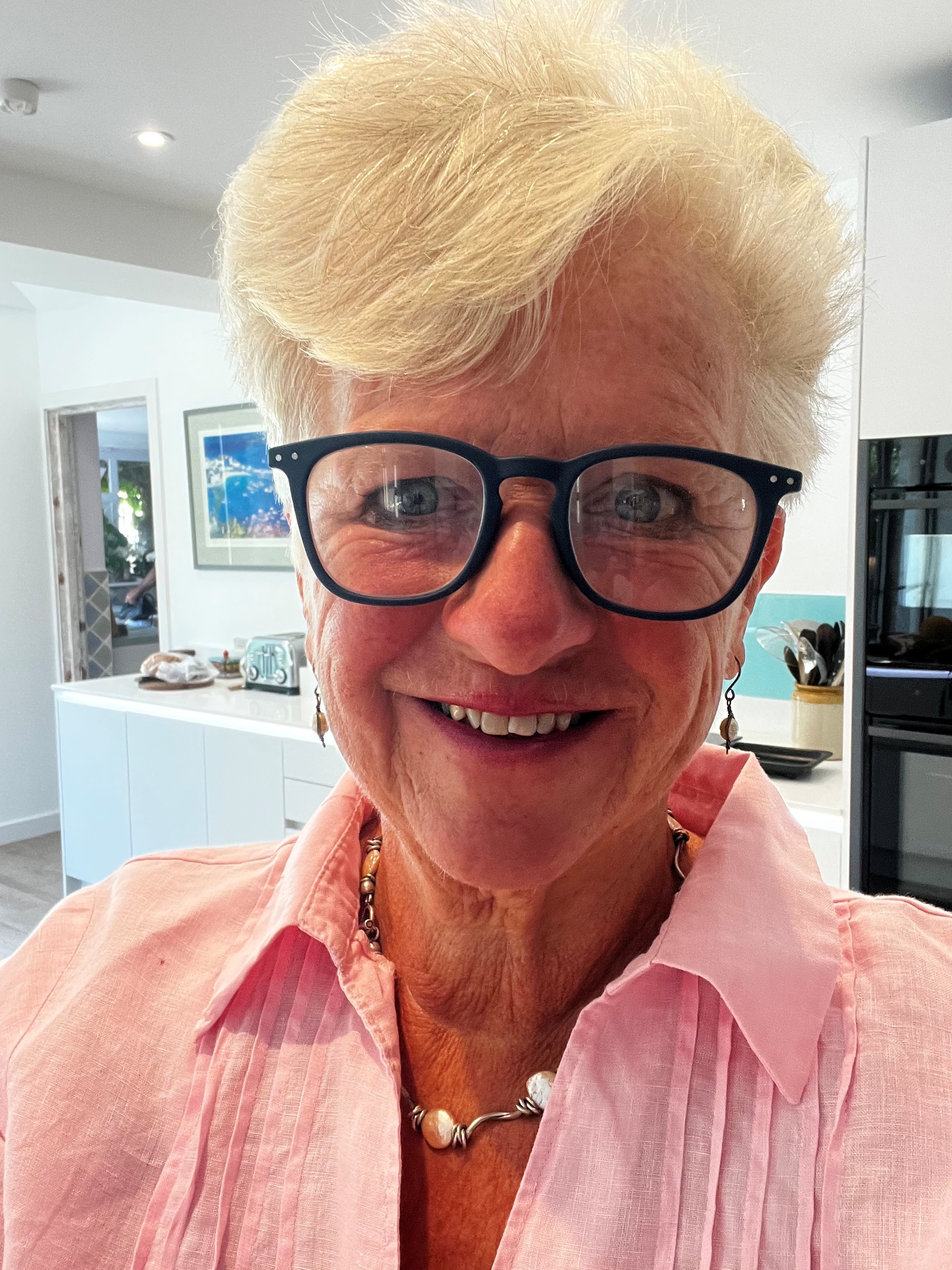
I knew from the age of 12 that I wanted to study forestry, and more specifically to work on forest issues in the Global South. I chose Bangor because the Head of Department, Professor Larry Roche, was a distinguished tropical forester.
My journey began with an interview. What stayed with me most was being asked how I would cope, as a woman, in a man’s world. I remember being surprised -I could not see why this would be a problem. Yet that question stayed with me and has shaped much of my work over the past 40 years, including my PhD at the Australian National University. Based on research in Nepal, it examined how caste, class, and gender influence access to forest resources.
At Bangor, this interest in the social and political dimensions of forestry was strongly nurtured, particularly through the challenging and inspiring lectures of economist Colin Price, who encouraged me to question established thinking.
I have been fortunate to have had a varied and rewarding career. I began by living in villages in Nepal, seeking to understand local social dynamics and power relations. I later moved to London to work at the Overseas Development Institute, where I supported Gill Shepherd to establish the Social Forestry Network. This initiative connected practitioners worldwide and contributed to reshaping forestry - from a largely technical discipline into one that recognises its deep connections with communities and Indigenous Peoples. We helped shift the focus toward rights, equity, and accountability, encouraging forest departments to rethink how they operate.
As an independent consultant, I have continued this work across South and Southeast Asia, as well as parts of Africa. Throughout my career, I have remained committed to understanding how to improve people’s lives, amplify their voices, and challenge and transform unequal power structures.
Now, as I approach the end of my career, I am focused on giving back. I serve on several boards, including The Tenure Facility, RECOFTC, and the Commonwealth Forestry Association. Looking back, I feel a deep sense of pride - particularly when I think of Nepal, where 22,000 communities now manage their own forests, hillsides have regenerated, and people can exercise their rights without fear.
I am also proud that issues once considered outside the scope of forestry - such as gender and class - are now widely recognised as central. There is a growing understanding that forests and people are inseparable, and that Indigenous Peoples and local communities should retain the rights to govern and manage the forests they have sustained for generations.
My journey began at Bangor, and I remain deeply grateful to the then Forest and Wood Science Department for helping me expand my perspective—from seeing forests as trees alone to understanding them as living systems shaped by the people who depend on them. I'm also grateful for the department's support as I explored my desire to expand forest boundaries beyond just seeing the trees to seeing local people as part of the reasons forests can be sustained.